Tradable Items Guide
Tradable does not automatically mean worth selling.
Tradable is a state, not an instruction to sell immediately.
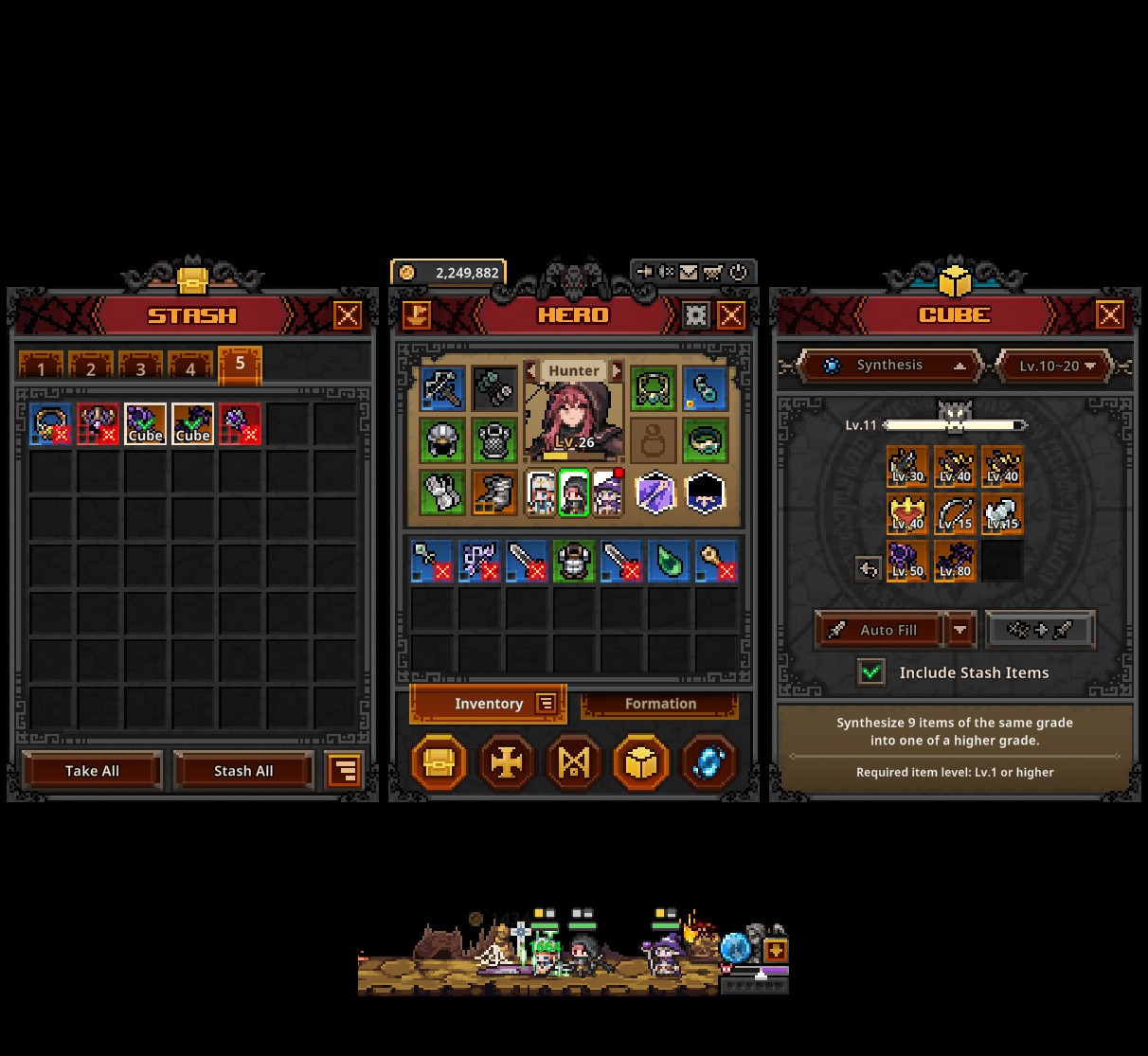
Quick Take
- 1
Tradable is a status, not a sell order
- 2
Check self-use value before market potential
- 3
Materials are easier to price than gear because names are stable
- 4
Gear value depends on level, slot, class fit, AND market data
- 5
No market match = no price judgment — watchlist, don't sell
What "Tradable" Actually Means
"Tradable" is a binary flag: yes, this item can be listed on the Steam Market. It says nothing about demand, value, or whether selling is the right decision right now.
Think of tradability as a door. The door is open — but you still need to decide whether to walk through it. Use this decision order every time:
- Self-use value — Does this item improve your current setup?
- Build relevance — Is it needed for a build you're actively working toward?
- Market matching — Is its Steam market name correctly identified?
- Real price data — Do we have actual price and volume data?
- Supply context — How many listings exist? What's the recent sale history?
Gear: Level, Slot, and Class Fit
Gear is harder to price than materials because its value depends on multiple overlapping factors:
Key Factors for Gear Value - **Level** — Higher level = generally more valuable, but only if the slot is desirable - **Slot** — Weapons > Armor > Accessories in general demand - **Class fit** — A bow is valuable to Rangers. A staff is valuable to Sorcerers. Class-specific demand changes everything. - **Rarity** — Higher rarity attracts attention but doesn't guarantee a sale - **Stats and effects** — Items with meta-relevant stats or Cube affixes command premiums
What to Sell vs. Keep - **Low-level duplicates** in slots you already have covered → Sell candidates - **High-level off-class gear** → Check market data. May be more valuable to sell than hoard - **On-class gear at or above your level** → Keep. Don't sell your own progression - **Unusual slot/rarity combinations** → Watchlist. These may have niche demand
Materials: Stable Names, Variable Demand
Materials are generally easier to match on the Steam Market because their names are stable across languages. But "easier to match" doesn't mean "always sell."
Material Sell/Keep Guide | Material Type | Keep If | Sell If | |---|---|---| | Gems (Ruby, Sapphire, etc.) | Your class uses that stat | You have excess AND market data exists | | Soulstones | You plan to use Cube | Excess tier, verifiable market price | | Scrolls | Effect matches your class | Effect is irrelevant to your builds | | Ores/Ingots | Early game, check crafting needs | Excess with market data | | Leather/Cloth | Check Cube recipes | Excess with market data | | Event/rare materials | Always keep until you understand their use | Only with strong market data |
The Final Four Questions
Before clicking "sell," answer these four questions honestly:
- Will I use this in the next week? If yes, keep.
- Does it have real market data? If no, watchlist — don't guess.
- Is supply unusual? If very low or very high, reconsider.
- Is replacement expensive? If yes, factor that cost into your decision.
If you can't answer all four, you don't have enough information to sell with confidence.
Managing Your Inventory Mindset
The goal isn't to sell everything. The goal is to convert items you don't need into resources for items you do need. An unsold item in your inventory costs nothing. A sold item that you later need to repurchase at a higher price is a net loss.
When in doubt, keep. Market opportunities come and go. Your core gear, materials, and class progression are permanent.
Common Mistakes
Equating 'tradable' with 'sell immediately'
Selling materials that your current class needs
Ignoring gear level and slot when checking market value
Treating an unmatched item as worthless
Selling before checking replacement cost
FAQ
Should every tradable item be sold
No. Self-use comes first. If the item supports your current class or a build you're working toward, keep it.
Are materials better to sell than gear
Materials are generally easier to match (stable names) but may have higher self-use value for Cube crafting.
What if no price exists for my item
Put it on a watchlist. Do not count it as income, do not list it at a random price, and do not assume it's worthless.
When should I sell gear
When it's a low-level duplicate, it's not needed for any current or planned build, AND it has real market data with enough volume.
How do I identify 'duplicate' gear
Same slot, same or lower level, no better stats, no unique effects. If in doubt, keep it until you're confident.
What's the biggest risk in selling
Needing the item later and finding that replacement cost is much higher than what you sold it for.


